Camping lights are essential equipment for outdoor adventures, whether it’s backpacking into the wilderness, car camping with friends, or emergency preparedness. This article helps you understand different types of camping lights, how to make informed choices based on brightness requirements and power sources, and how to use them effectively in various conditions. A practical comparison and clear answers to common questions give outdoor enthusiasts confidence when selecting the ideal camping light solution.

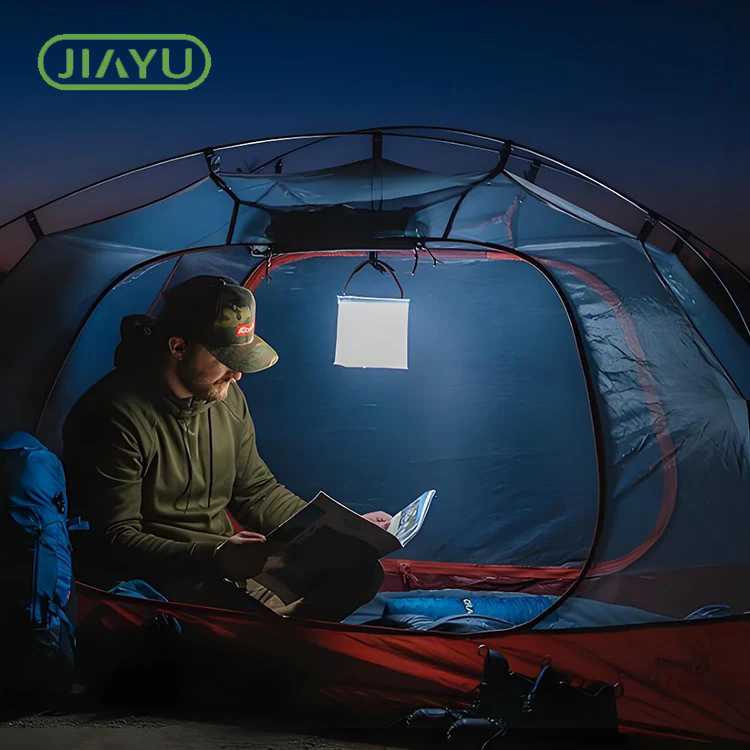
Camping lights are portable lighting solutions designed to illuminate outdoor spaces when natural light is not available. Whether lighting up a tent interior, marking tent lines after sunset, or providing task lighting during meal preparation, camping lights improve safety and comfort during outdoor activities. They range from compact headlamps to large lanterns capable of illuminating entire campgrounds. The right choice depends on how the light will be used and conditions such as weather and trip duration.
Brightness output is typically measured in lumens, and more intense light may be needed for larger areas or tasks such as cooking or night-time navigation. Durability and weather resistance are also key factors for any outdoor lighting solution. Common power sources include replaceable batteries, USB-rechargeable batteries, or solar panels for off-grid needs. Understanding these differences is key to selecting the optimal camping light for every scenario. :contentReference[oaicite:0]{index=0}
There are several main types of camping lights, each suited to specific activities and user needs:
| Light Type | Typical Brightness (Lumens) | Runtime (Hours) | Typical Power Source | Best Use |
|---|---|---|---|---|
| Hanging Lantern | 100–300+ | 20–100+ | Rechargeable / Solar / Battery | Campsite & Tent Lighting |
| Collapsible Lantern | 50–200 | 15–60 | Rechargeable / Solar | Backpacking & Travel |
| Headlamp | 100–500 | 20–40 | Rechargeable / Battery | Hands-Free Task Lighting |
| String Lights | 30–150 | 10–50 | Solar / Battery | Ambient & Decorative |
| Flood Light | 500–2000 | 5–20 | Rechargeable | Large Area Lighting |
Above comparison helps visualize how different camping light types favor different outdoor priorities. For example, headlamps offer excellent task-focused illumination during night hikes, while hanging lanterns provide general illumination for entire campsites. :contentReference[oaicite:6]{index=6}
Selecting the right camping light involves balancing performance with trip requirements. Here are key factors to consider:
Q: What brightness level should a camping light have?
A: Brightness is measured in lumens. A light with 100–300 lumens is usually sufficient for general campsite illumination, while headlamps and task lights may require 300 lumens or more for focused visibility. Consider how large your campsite is and what activities you’ll be doing. :contentReference[oaicite:12]{index=12}
Q: Should a camping light be rechargeable or battery-powered?
A: Rechargeable lights allow repeated charging via USB or solar panels and are more environmentally friendly. Battery-powered lights with replaceable cells are convenient when recharging is unavailable. Choose based on trip duration and access to power sources. :contentReference[oaicite:13]{index=13}
Q: Do weatherproof camping lights make a big difference?
A: Yes. Lights with higher ingress protection (IP) ratings are better able to resist rain, dust, and impacts, ensuring reliable performance in challenging outdoor conditions. :contentReference[oaicite:14]{index=14}
Understanding the different types of camping lights and how to evaluate their performance helps campers choose equipment that enhances safety and enjoyment during outdoor adventures. Combining practical considerations such as brightness, power source, and portability ensures the right fit for any camping scenario.
Zhejiang Jiayu Outdoor Products Co., Ltd. offers a range of versatile and durable camping light solutions designed to meet diverse outdoor needs. For product specifications, bulk inquiries, or tailored solutions that match your adventure requirements, feel free to contact our team. Contact us to discuss how our camping light offerings can support your outdoor experiences.