As outdoor recreation and pet-inclusive travel continue to expand globally, the camping pet bed has evolved from a niche accessory into a practical necessity. This article explores how a camping pet bed supports comfort, hygiene, portability, and safety during outdoor activities. By analyzing product parameters, real-world use scenarios, and common buyer concerns, the content provides a structured reference for distributors, retailers, and informed consumers seeking long-term value and performance.
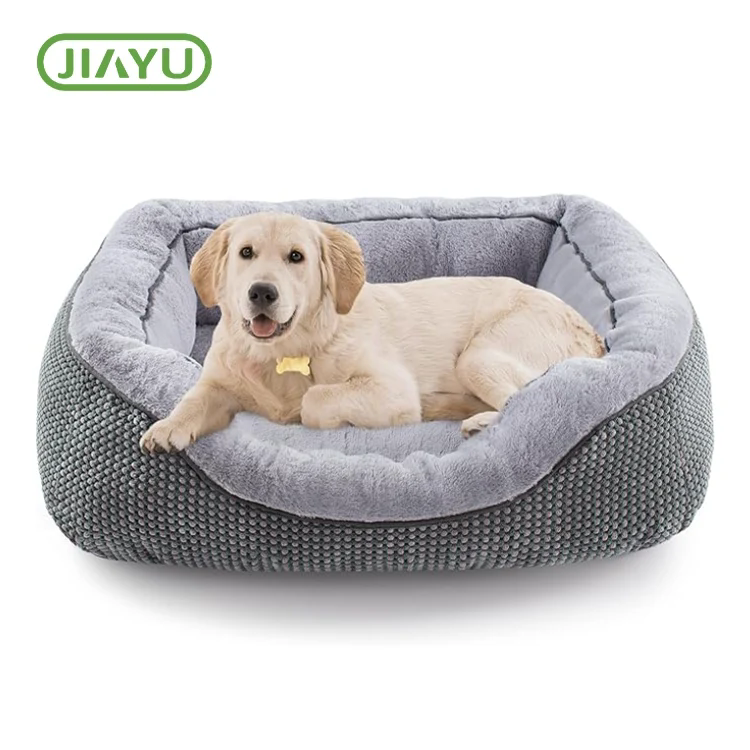
A camping pet bed is a portable sleeping and resting solution specifically designed for pets in outdoor environments such as camping sites, hiking bases, RV travel stops, and backyard expeditions. Unlike indoor pet beds, this product category prioritizes lightweight construction, weather resistance, insulation from ground moisture, and ease of transport.
The core purpose of a camping pet bed is to provide a stable, familiar resting surface that helps reduce stress for pets when removed from their home environment. From an outdoor systems perspective, it functions as part of a broader pet travel setup that may include collapsible bowls, portable crates, and harness systems.
Market data from outdoor recreation associations and pet product trade reports consistently indicate growth in pet-inclusive travel. This behavioral shift has elevated expectations for pet comfort and safety, positioning the camping pet bed as a functional rather than optional item.
Evaluating a camping pet bed requires a technical review of materials, structure, and performance under outdoor conditions. The following parameters represent commonly accepted evaluation criteria within the outdoor pet products sector.
| Parameter | Typical Specification Range | Professional Consideration |
|---|---|---|
| Material Composition | Oxford fabric, ripstop polyester, TPU coating | Balances abrasion resistance with weight control |
| Padding Type | High-density foam, PP cotton, air-layer structure | Determines insulation and pressure distribution |
| Water Resistance | PU-coated or laminated base layer | Prevents ground moisture transfer |
| Folded Size | 30–45 cm packed length | Affects transport efficiency |
| Weight Capacity | 15–50 kg depending on model | Ensures structural stability for different pet sizes |
| Cleaning Method | Machine washable or wipe-clean surface | Supports hygiene during multi-day trips |
From a supply chain perspective, consistency in stitching quality, seam sealing, and edge binding plays a decisive role in long-term durability. These parameters are often evaluated during pre-shipment inspections and third-party quality audits.
How does a camping pet bed differ from a standard indoor pet bed?
A camping pet bed is engineered for portability, environmental resistance, and rapid deployment. Indoor pet beds prioritize aesthetics and plush comfort, whereas outdoor models emphasize durability, moisture protection, and compact storage.
How should a camping pet bed be sized for different pets?
Proper sizing is determined by the pet’s sleeping posture and body length rather than weight alone. A bed should allow the pet to lie fully extended without compressing edges, while still maintaining a manageable packed size for transport.
How can hygiene be maintained during extended outdoor use?
Hygiene is maintained through removable covers, quick-drying fabrics, and routine surface cleaning. Many camping pet beds are designed to be shaken free of debris and wiped down between uses, reducing bacterial buildup.
In campsite environments, a camping pet bed establishes a defined resting zone that helps pets adapt to unfamiliar surroundings. This spatial consistency can reduce anxiety and support better sleep cycles, which is critical during physically demanding activities such as hiking.
For vehicle-based travel such as RV or overland trips, the bed functions as a modular resting unit that can be deployed inside tents, awnings, or vehicle interiors. Its non-slip base and structured padding provide stability during uneven ground conditions.
From a commercial perspective, camping pet beds are increasingly included in rental gear kits and pet-friendly lodging amenities. This diversification of use cases reflects broader acceptance of pets as active travel participants rather than passive companions.
The future development of the camping pet bed market is closely tied to material innovation and sustainability trends. Recycled polyester fabrics, bio-based coatings, and modular repair-friendly designs are gaining attention within product development cycles.
Another notable direction is integration with broader outdoor ecosystems. Compatibility with tents, crates, and modular camping furniture systems is expected to influence future design standards. This convergence aligns with consumer demand for streamlined, space-efficient gear solutions.
Brand differentiation will increasingly rely on verified performance data, field testing documentation, and transparent manufacturing practices. In this context, suppliers that demonstrate consistent quality control and responsive customization capabilities are positioned for long-term growth.
As outdoor travel habits evolve, the camping pet bed has emerged as a functional component of responsible pet-inclusive recreation. Its role extends beyond comfort, supporting hygiene, safety, and adaptability across diverse environments. Through structured design and performance-driven specifications, products in this category continue to align with modern outdoor expectations.
JIAYU has developed camping pet bed solutions with a focus on material reliability, practical sizing, and consistent quality standards for global markets. These products are designed to support professional buyers seeking scalable and dependable outdoor pet equipment.
For detailed specifications, customization options, or partnership inquiries, please contact us to discuss how camping pet bed solutions can be aligned with specific market requirements.