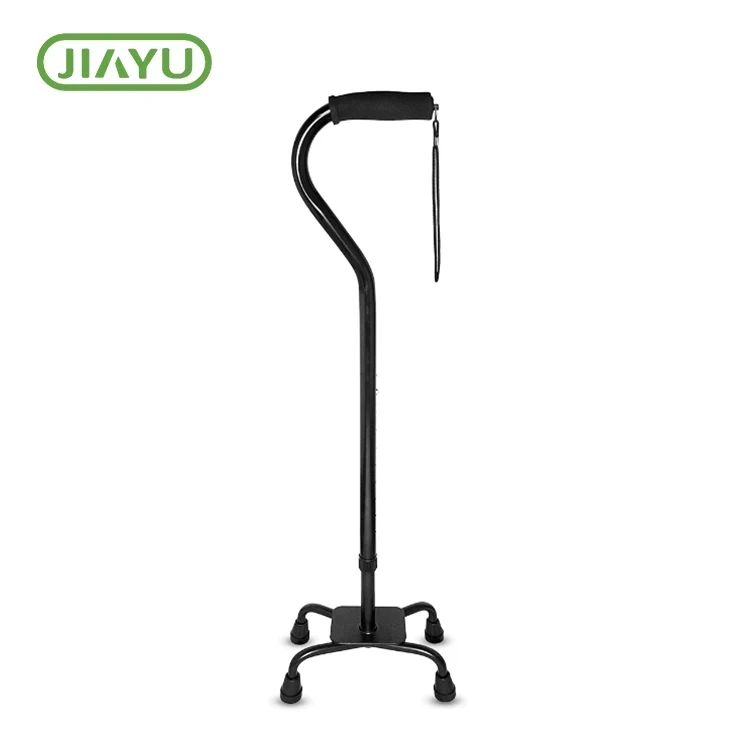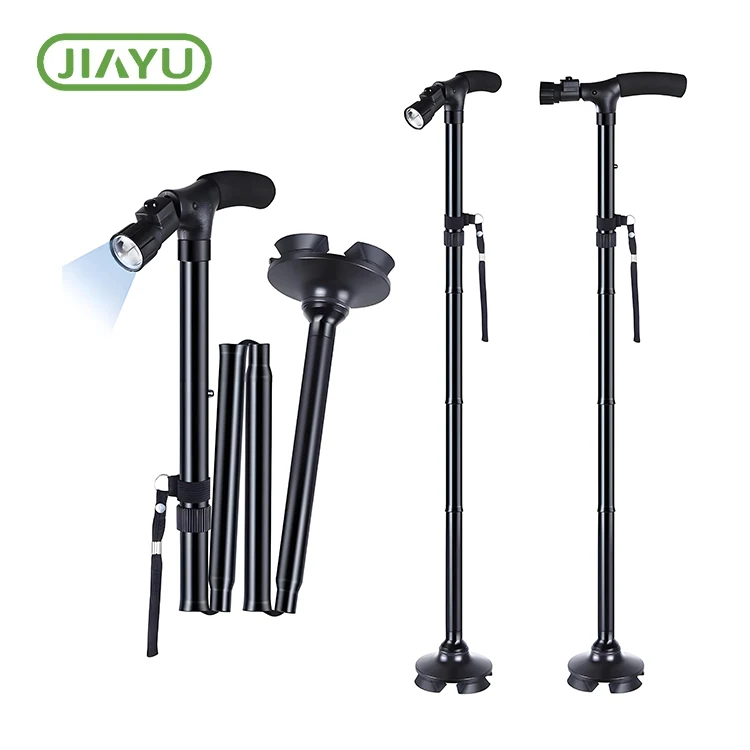
A walking pole is more than a simple outdoor accessory. It directly affects walking stability, joint protection, endurance, and overall comfort across different terrains. This article provides a structured and practical guide to selecting a walking pole based on real user concerns, including material choice, length adjustment, grip design, terrain adaptability, and safety performance. By understanding these key factors, users can make informed decisions for hiking, trekking, rehabilitation walking, or daily outdoor use.

A walking pole is designed to enhance balance, reduce pressure on lower joints, and improve movement efficiency. It is widely used in hiking, mountain trekking, Nordic walking, rehabilitation training, and long-distance outdoor activities. By redistributing body weight through the arms, a walking pole helps reduce strain on knees and ankles, especially during uphill climbs or downhill descents.
For outdoor enthusiasts and daily walkers alike, the right walking pole can significantly improve safety and endurance while minimizing fatigue over extended use.
These issues often result from selecting a walking pole without understanding its structural design or intended usage environment.
A well-designed walking pole balances durability, weight, comfort, and adaptability. The following factors should always be evaluated before selection:
| Material Type | Advantages | Typical Application |
|---|---|---|
| Aluminum Alloy | High durability, strong impact resistance | Mountain trekking, rocky terrain |
| Carbon Fiber | Lightweight, vibration reduction | Long-distance hiking, endurance walking |
| Composite Material | Balanced strength and flexibility | Multi-purpose outdoor activities |
Material selection directly impacts walking comfort and fatigue levels, particularly during extended use.
Correct pole length is essential for maintaining proper posture. When the pole tip touches the ground, the elbow should form an approximate right angle. Adjustable walking poles allow users to adapt length based on terrain slope and personal height.
Reliable locking mechanisms are critical. Twist-lock and lever-lock systems are commonly used, with lever-lock designs offering easier visual confirmation of secure adjustment during outdoor use.
Grip comfort determines long-term usability. Ergonomic grips made from EVA foam or cork help absorb sweat and reduce pressure points. Adjustable wrist straps provide additional support and prevent accidental drops.
Pole tips vary depending on surface conditions. Rubber tips are suitable for pavement, while carbide tips provide enhanced traction on rocky or icy terrain. Interchangeable tip systems increase versatility across environments.
Matching the walking pole configuration to the actual usage scenario ensures optimal safety and performance.
| Parameter | Description |
|---|---|
| Adjustable Length Range | Suitable for different heights and terrains |
| Grip Material | Anti-slip, moisture-absorbing design |
| Weight | Optimized for long-distance walking |
| Tip Options | Replaceable tips for multiple surfaces |
Q: Is a walking pole suitable for beginners?
A: Yes. Walking poles are designed to improve balance and reduce joint stress, making them suitable for beginners and experienced users alike.
Q: Can one walking pole be used instead of a pair?
A: A single pole can assist balance, but a pair provides better weight distribution and stability, especially on uneven terrain.
Q: How often should walking pole tips be replaced?
A: Tip replacement depends on usage frequency and surface type. Regular inspection is recommended to maintain traction and safety.
Choosing the right walking pole requires a clear understanding of personal needs, terrain conditions, and product design features. By focusing on material quality, ergonomic structure, and functional adaptability, users can significantly improve comfort and safety during walking activities.
JIAYU provides professionally designed walking poles developed for diverse outdoor environments and user requirements. To explore suitable solutions or discuss specific application needs, please contact us today for detailed product support and guidance.