Article Abstract
A Camping Chair looks simple—until you’ve carried one that’s too bulky, sunk into sand, fought a “mysteriously wobbly” frame, or realized the seat cuts into your legs after 20 minutes. This guide breaks down the real buyer pain points (comfort, stability, portability, durability, and cleanability), then shows how to choose the right chair type for your trip style. You’ll get a practical checklist, a comparison table, and a supplier-evaluation section aligned with expectations—so you can buy with confidence or source smarter for your store.
Contents
- Outline
- The pain points buyers complain about
- Match the chair to your use case
- Comparison table
- Must-check features before you buy
- Care, cleaning, and longevity tips
- How to evaluate a camping chair supplier
- Where Zhejiang Jiayu Outdoor Products Co., Ltd. fits
- FAQ
- Closing checklist + next step
Tip: This is written for both end-buyers and procurement teams sourcing camping chairs for retail, rental fleets, or promotional projects.
Outline
- Expand your “Camping Chair” keyword set (for SEO + product discovery).
- Diagnose the top comfort and durability complaints.
- Choose a chair type based on terrain, carry method, and sit time.
- Use a comparison table to shortlist options fast.
- Confirm critical specs and features (frames, fabrics, joints, feet).
- Learn care/cleaning that actually prevents early failures.
- Evaluate supplier capability (QC, materials, compliance, service).
- Close with FAQ and an action-focused checklist.
The pain points buyers complain about

People don’t return a Camping Chair because it’s “not exciting.” They return it because it fails one of these practical needs:
1) Comfort breaks down after 15–30 minutes
- Seat edge pressure: the front lip digs into thighs, especially on low sling chairs.
- Wrong seat height: too low makes it hard to stand; too high feels unstable on uneven ground.
- Back support mismatch: a short backrest is fine for quick sits, but not for long evenings.
Fix:
Prioritize seat geometry, backrest height, and (if you sit for hours) padding or breathable mesh tensioning.
2) “Wobble” and tip risk on real terrain
- Narrow base + soft ground = sinking or rocking.
- Feet design matters: small tips sink in sand/mud; wider feet spread the load.
- Joint quality matters: loose rivets or thin connectors amplify movement.
Fix:
Choose wider stance or chairs with anti-slip feet; for sand, look for broader foot pads or a design that doesn’t concentrate load in tiny points.
3) Portability is worse than expected
- “Lightweight” can still mean bulky—pack size matters as much as weight.
- Carry comfort matters: a bag strap that cuts into your shoulder ruins short walks.
- Setup friction: if it’s annoying to open/close, you’ll stop bringing it.
Fix:
Decide first: are you carrying it by hand, on a cart, or in a backpack? Then choose a frame style that matches that reality.
4) Durability failures that look “small” (but end the chair)
- Fabric tearing at high-tension corners
- Coating flaking and rust starting at scratches
- Plastic foot caps splitting or falling off
- Stitching opening after repeated folding stress
These issues are why E-E-A-T matters in product content: users want evidence of material choices, testing mindset, and maintenance guidance.
Match the chair to your use case
The best Camping Chair isn’t a single “top pick.” It’s a fit problem: terrain + sit time + carry method + body comfort preference. Here’s a fast matching guide:
Use-case shortcuts
- Backpacking / hiking: prioritize packability and weight; consider a compact backpacking chair, even if it’s less cushy.
- Car camping / family trips: prioritize comfort, arm support, and higher back; a padded or high-back camping chair is often worth it.
- Beach days: prioritize wider feet or designs that reduce sinking; consider an adjustable beach camping chair for lounging.
- Fishing: prioritize stability and easy-clean fabric; look for a fishing chair or portable camping chair with dependable feet and frame.
- Festivals / sports / events: prioritize quick setup, cup/side pocket convenience, and a carry bag that’s easy.
One quick rule that prevents most regrets
If you sit for hours each time, invest in comfort (back support + seat tension + padding). If you move often, invest in portability (pack size + quick folding + carry comfort).
Comparison table
Use this table to shortlist chair styles before you compare brand-to-brand specs.
| Chair Type | Typical Strength | Common Trade-off | Best For | Keywords to target |
|---|---|---|---|---|
| Compact backpacking chair | Small pack size, easy to carry | Less padding, lower seat height | Hiking, minimalist trips | lightweight camping chair, backpacking chair |
| Classic folding camping chair | Fast setup, good all-around comfort | Bulkier than compact styles | Car camping, events | folding camping chair, portable camping chair |
| High-back camping chair | Better shoulder/upper back support | Often heavier/bulkier | Long sits, tall users | high back camping chair, padded camping chair |
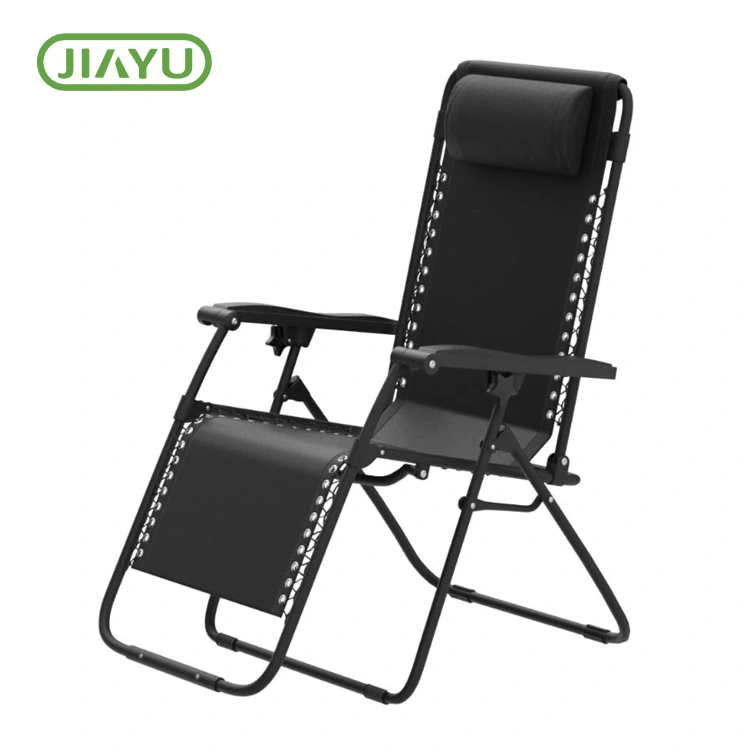
| Reclining / adjustable chair | Multi-position lounging comfort | More parts, more to maintain | Beach, lake, “relax” trips | reclining camping chair, adjustable beach chair |
| Heavy-duty oversized chair | Higher load comfort, roomy seat | Heavier and larger pack size | Comfort-first buyers | heavy-duty camping chair, oversized camping chair |
Pro tip for SEO: don’t hide this table in images—search engines and users both benefit from readable HTML tables.
Must-check features before you buy
Specs should reduce risk, not create confusion. Here’s what I recommend checking (and why it matters). If you’re sourcing, these are also the questions that separate a serious supplier from a generic listing.
Frame and structure
- Material choice: steel frames often prioritize strength; aluminum often prioritizes lighter carry. Choose based on your use case.
- Geometry: look for stable stance and bracing that reduces lateral sway.
- Finish: corrosion resistance matters if you camp near coasts or store gear in humid garages.
Fabric and comfort interface
- Breathability: mesh and ventilated weaves help in hot weather.
- Easy cleaning: stain-release or water-repellent surfaces reduce the “one muddy trip ruined it” problem.
- Seam reinforcement: corners and load points should be reinforced—this is where tearing starts.
Feet, ground contact, and “real terrain” stability
- Foot caps: secure attachment prevents losing them on gravel.
- Anti-slip design: helps on wet decks, poolside tiles, and smooth surfaces.
- Soft-ground performance: wider feet reduce sink-in on sand and mud.
Portability and setup
- Pack size: measure it against your trunk, gear bin, or closet shelf (not just “lightweight”).
- Setup steps: fewer steps = more use. If it’s annoying, it becomes “garage furniture.”
- Carry bag: a real strap and durable stitching matter more than most listings admit.
If you’re writing product content, show setup in simple steps and list pack dimensions clearly—this removes purchase anxiety.
Comfort personalization
- Backrest height: low back for quick sits; high back for evenings.
- Adjustability: reclining or adjustable backrest can turn a chair into a lounger.
- Padding strategy: padding is great, but breathable designs can be better in heat.
Care, cleaning, and longevity tips
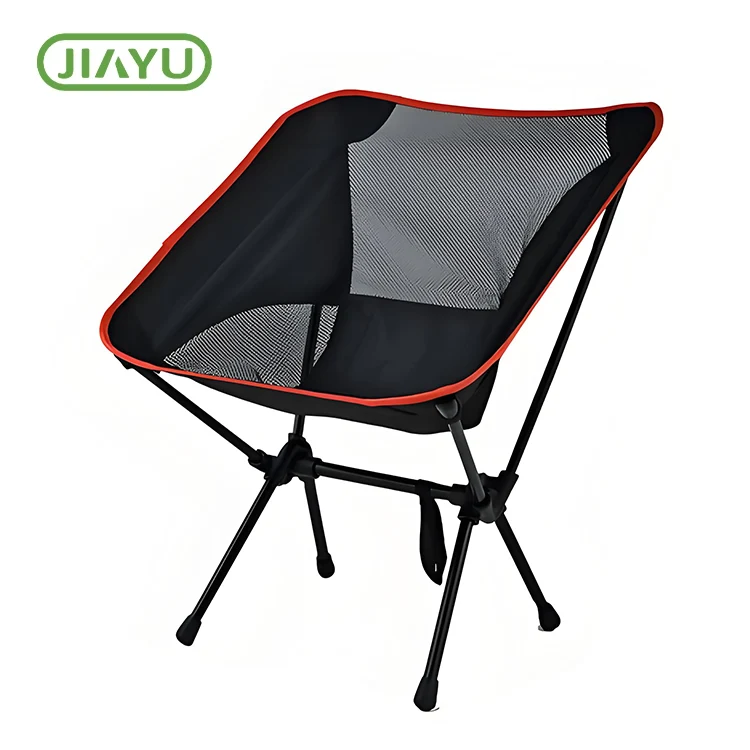
A good Camping Chair can last years, but most failures are caused by storage and cleaning habits—not one dramatic overload. Here’s a maintenance routine that actually works:
Simple care routine
- After the trip: shake out sand and dirt before folding—grit wears fabric and joints.
- Spot-clean early: mild soap + soft brush beats harsh chemicals that weaken coatings.
- Dry fully: store only when dry to reduce odor and corrosion risk.
- Check joints: quick tighten/inspection prevents “mysterious wobble” from becoming failure.
- Store smart: avoid crushing under heavy gear; bent frames start with bad storage.
If you manage rentals: rotate inventory, track repairs, and keep spare foot caps and carry bags.
How to evaluate a camping chair supplier
If you’re sourcing for retail or projects, your real goal is not “a chair.” Your goal is predictable quality over repeated shipments. Here are supplier questions that signal competence and reduce downstream headaches.
Supplier evaluation checklist
- Materials transparency: Do they clearly state frame material, fabric type, and finish approach?
- Load capacity testing mindset: Can they explain how load claims are tested and controlled?
- Quality control points: Ask about seam inspection, joint inspection, and packaging protection.
- Consistency: Can they keep the same fabric/color and hardware across batches?
- Customization support: OEM/ODM options, logo methods, colorways, carry bag updates, packaging artwork.
- After-sales readiness: Spare parts availability (foot caps, bags) and clear warranty terms.
Practical tip:
Always request a pre-production sample for any new design or fabric change—even if you’ve ordered from the supplier before.
Where Zhejiang Jiayu Outdoor Products Co., Ltd. fits
If you’re looking for a supplier with a broad outdoor catalog, Zhejiang Jiayu Outdoor Products Co., Ltd. presents multiple camping chair styles under one roof—helpful for buyers who want to build a cohesive “outdoor seating” lineup rather than a single SKU. Their product range shown online includes styles such as garden arm chairs, backrest portable chairs, folding “Kermit” style chairs, and adjustable beach/picnic chairs—each aimed at different comfort and portability priorities.
How to use a multi-style catalog to your advantage
- Retailers: build a tiered shelf—entry folding chair, comfort high-back, and a reclining option.
- Project buyers: pick stable, easy-clean models for events; add higher-comfort chairs for VIP zones.
- Brands: standardize fabrics/colors across models to make the line look intentional.
When you talk to any supplier, bring your target user story (beach vs. car camping vs. backpacking). It shortens sampling cycles dramatically.
FAQ
How do I choose between a lightweight camping chair and a more comfortable one?
Decide what you’re optimizing: carry comfort or sit comfort. If you walk far with it, prioritize pack size and weight. If you sit for hours (campfire nights, fishing, festivals), prioritize back support, seat tensioning, and possibly padding.
What makes a camping chair stable on sand?
Stability on sand usually comes from reducing pressure points. Wider feet, broader contact surfaces, and a stable stance help prevent sinking and tipping. Also consider seat height—higher seats can feel more tippy on uneven ground.
Is an adjustable reclining camping chair worth it?
If “lounging” is part of your trip (beach, lake, long afternoons), adjustable backrest is one of the few features that truly changes the experience. Just be sure the locking/adjustment mechanism feels solid and is easy to operate.
How can I reduce returns if I sell camping chairs online?
Provide clear pack size, seat height, and a simple “best for” use-case guide. Add a short setup description and care tips. Most returns happen when buyers expected a different chair style—not because the chair is “bad.”
What should I ask a manufacturer before placing a bulk order?
Ask about material specs, load testing approach, QC checkpoints, batch consistency, sampling, lead time, and after-sales support (spares, warranty). These questions reveal whether you’ll get stable quality over time.
Closing checklist + next step
Before you buy or source:
- Confirm your use case (backpacking vs. car camping vs. beach vs. events).
- Choose the chair type first, then compare brands within that type.
- Verify stability features (stance, feet) for your terrain.
- Verify comfort features (seat height, backrest, breathability/padding) for your sit time.
- For B2B: request samples and ask QC + consistency questions early.
If you’re building a camping chair product line or sourcing reliable outdoor seating in volume, start with your target scenario and let the specs follow. When you’re ready, contact us to discuss options, sampling, and how to match chair styles to your market and customers.