Compact outdoor cooking equipment has evolved significantly, and the mini tourist gas stove represents a convergence of portability, safety, and cooking performance. This article examines what sets this category apart—from burner output and fuel efficiency to construction materials and regulatory compliance—helping outdoor enthusiasts, retailers, and procurement teams determine whether a compact gas stove aligns with their specific needs.
▸ Table of Contents — Click any topic to jump directly
Outdoor cooking equipment spans an enormous range—from heavy-duty basecamp burners to pocket-sized emergency stoves. The mini tourist gas stove occupies a distinct middle ground: small enough to carry in a daypack, yet powerful enough to prepare real meals rather than just boil water.
Unlike full-size portable stoves that require separate fuel canisters and stable ground surfaces, compact tourist stoves are engineered around a different design philosophy. They prioritise rapid deployment, minimal weight, and consistent performance across varying outdoor conditions. The result is a device that fits into a side pocket but delivers the cooking capability of equipment three or four times its size.
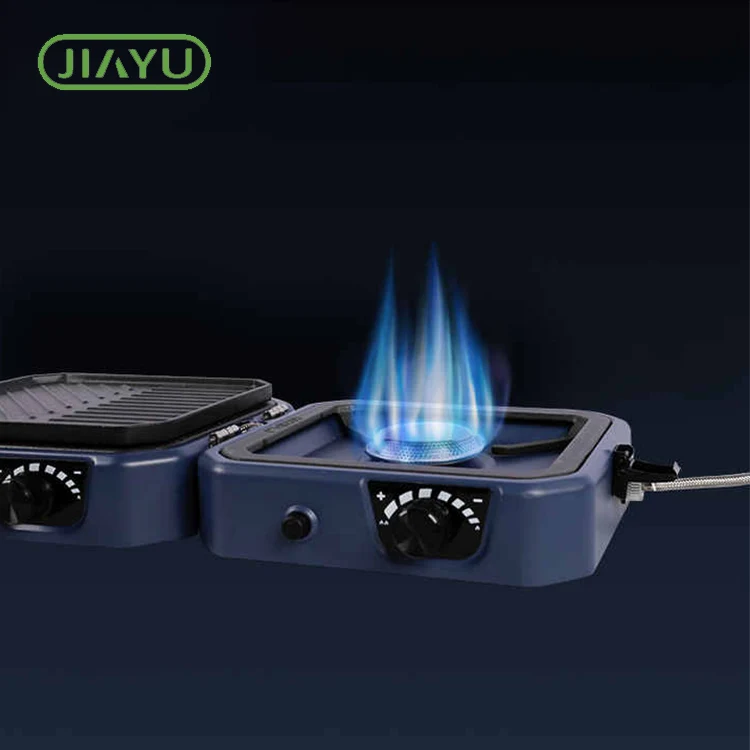
Built for mobility—folding pot supports, integrated ignition, and a footprint that disappears into luggage or a backpack side pocket.
Consistent heat output regardless of altitude, ambient temperature, or fuel level, so cooking remains predictable in the field.
The defining characteristic of any mini tourist gas stove is its physical footprint. Engineers achieve this through several interconnected design choices that collectively reduce bulk without sacrificing structural integrity.
Weighing as little as 48.5 grams in titanium models, these stoves redefine what “lightweight” means for outdoor cooking equipment. Even stainless steel and aluminium variants rarely exceed 200 grams, making them viable for ultralight backpacking, bicycle touring, and emergency preparedness kits.
For buyers evaluating stoves for retail or distribution, weight specifications should always be cross-referenced against power output and stability requirements. A lighter stove is not automatically better—it must still support the cookware it is paired with.
Despite their compact dimensions, modern mini tourist gas stoves deliver power figures that rival much larger appliances. A typical unit produces between 2,500 and 3,500 watts, translating to rapid boil times—often under three minutes for one litre of water.
This performance is achieved through optimised burner geometry and precise fuel-air mixing. The flame is concentrated rather than dispersed, which means less heat escapes around the sides of the cookware. Some designs incorporate preheating coils that vapourise liquid fuel before combustion, ensuring reliable operation even in cold conditions where butane struggles to gasify.
The burner head is the heart of the system. A well-designed burner uses a sunken or recessed flame pattern that shields the ignition point from crosswinds while directing heat upward into the pot base. Wind resistance is not an afterthought—it is designed into the burner head geometry from the outset.
Fuel compatibility is equally important. Most compact stoves operate on EN 417 threaded canisters containing isobutane, propane, or a blend of both. The blend ratio affects cold-weather performance: propane-rich mixtures function at lower temperatures, while isobutane-dominant blends offer more consistent output in moderate conditions.
Portable gas appliances fall under strict regulatory frameworks, particularly in European and Gulf markets. The EN 521 standard governs the construction and performance characteristics of portable appliances burning liquefied petroleum gases at vapour pressure within the gas cartridge or cylinder.
Compliance with EN 521 covers several critical areas:
For procurement teams sourcing outdoor cooking equipment, verifying EN 521 compliance should be a baseline requirement. The standard also specifies that appliances are designed for outdoor use or in well-ventilated areas only—a critical distinction for labelling and user instruction documentation.
The choice of materials directly affects weight, durability, and corrosion resistance. Three primary material categories dominate the mini tourist gas stove segment:
| Material | Typical Weight | Advantages | Considerations |
|---|---|---|---|
| Titanium | 48–80g | Exceptional strength-to-weight ratio, corrosion-resistant | Higher production cost, limited colour options |
| Stainless Steel | 120–200g | Durable, heat-resistant, cost-effective | Heavier than titanium, can discolour with heat |
| Aluminium Alloy | 80–150g | Lightweight, good thermal conductivity | Lower melting point, requires protective coating |
Titanium components—particularly pot supports and burner heads—have become increasingly common as manufacturing costs have decreased. The metal's natural oxide layer provides excellent corrosion resistance without additional treatment, which is valuable for equipment exposed to moisture and temperature cycling.
Understanding the ideal use cases helps buyers assess whether a compact gas stove is the appropriate choice for their audience or personal needs.
The mini tourist gas stove is less suitable for group cooking, large-scale meal preparation, or applications requiring sustained high-output operation over extended periods. In those scenarios, a multi-burner basecamp stove or a liquid-fuel system would be more appropriate.
JY Outdoor specialises in the design and manufacture of compact outdoor cooking equipment, serving distributors and retail brands across multiple markets.
| Parameter | Typical Range | Notes |
|---|---|---|
| Power Output | 2,500–3,500 W | Higher output reduces boil time |
| Weight | 48–200 g | Depends on material and design |
| Boil Time (1L) | 2.5–4 minutes | Varies with altitude and ambient temperature |
| Fuel Type | EN 417 threaded canister | Isobutane/propane blends common |
| Ignition | Piezo or manual | Piezo eliminates need for external lighter |
| Packed Dimensions | 50 × 80 mm (typical) | Fits standard mug or pot |
A mini tourist gas stove is designed specifically for maximum portability—typically weighing under 200 grams and folding into a package small enough to fit in a pocket or small pouch. Regular camping stoves prioritise stability and cooking surface area over minimum weight.
No. Portable gas appliances operating on liquefied petroleum gas are designed for outdoor use or well-ventilated areas only. Carbon monoxide accumulation in enclosed spaces presents a serious safety hazard. Always follow the manufacturer's instructions regarding ventilation.
At higher altitudes, lower atmospheric pressure reduces oxygen availability, which can affect combustion efficiency. However, the primary challenge at altitude is temperature: lower ambient temperatures reduce canister pressure, particularly with butane-rich fuel blends. Using a propane-enriched canister or a stove with a preheating coil mitigates this issue.
The majority of compact gas stoves use EN 417 threaded canisters containing isobutane, propane, or a blend. Some models accept Lindal valve cartridges or specific proprietary systems. Always verify fuel compatibility before purchase, particularly if the stove will be used across different regions where canister standards may vary.
Regular maintenance includes checking the O-ring seal at the cartridge connection for cracks or wear, cleaning the burner head to prevent clogged ports, and storing the stove in a dry environment to prevent corrosion. Pot supports should be inspected for bending or weakening after extended use.
For outdoor enthusiasts, retailers, and procurement professionals evaluating compact cooking equipment, the mini tourist gas stove offers a compelling balance of portability, performance, and regulatory compliance. Selecting the appropriate model requires matching burner output, weight, and material construction to the specific demands of the intended application.
-