Selecting the right camping bag is one of the most important decisions for any outdoor traveler. A well-designed bag improves comfort, organizes gear efficiently, and reduces fatigue during long hikes or camping trips. However, many buyers struggle with choosing the correct size, material, and structural design. This guide explains how camping bags work, what features matter most, and how to select the ideal option based on travel needs. It also introduces key design considerations used by professional outdoor gear manufacturers such as JIAYU.
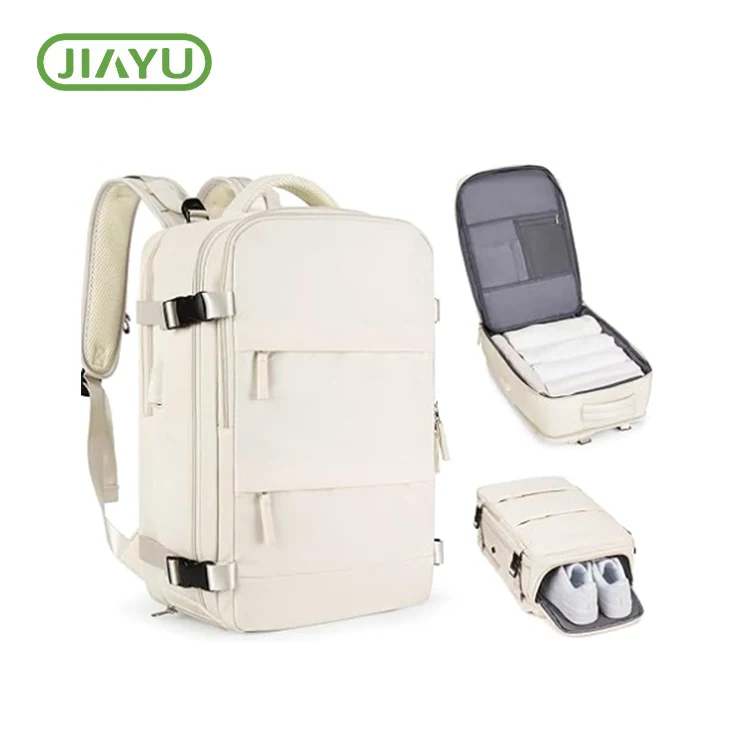
A camping bag is more than just a container for gear. It acts as a portable storage system designed to distribute weight evenly across the body while protecting essential outdoor equipment. Unlike ordinary backpacks, camping bags are engineered to carry heavier loads, withstand rugged environments, and remain comfortable during extended trips.
Whether used for hiking, trekking, climbing, or multi-day camping trips, a well-designed camping bag must balance three essential functions:
Modern outdoor manufacturers such as JIAYU focus on ergonomic frame systems and durable materials to ensure camping bags perform reliably in different terrains and weather conditions.
Many outdoor enthusiasts encounter difficulties when selecting a camping bag because product specifications and design features can vary widely. Understanding common buyer challenges helps avoid costly mistakes.
Typical issues include:
These problems often occur when buyers focus only on appearance or price rather than evaluating functional design. A systematic approach to selecting a camping bag significantly improves outdoor comfort and safety.
A reliable camping bag integrates multiple design elements that improve durability, usability, and comfort. Understanding these features helps buyers identify high-performance products.
Professional manufacturers like JIAYU integrate these features into outdoor product lines to ensure reliability during demanding adventures.
Selecting the right capacity is essential. Camping bags are generally categorized based on storage volume measured in liters. The correct size depends on trip duration and equipment requirements.
| Capacity | Recommended Use | Typical Duration |
|---|---|---|
| 20–35L | Short hikes or day trips | 1 Day |
| 40–55L | Weekend camping trips | 1–3 Days |
| 60–75L | Multi-day trekking | 3–5 Days |
| 80L+ | Expeditions and extended travel | 5+ Days |
Choosing the correct capacity prevents overpacking while ensuring all necessary equipment can be carried comfortably.
Camping bags must endure challenging outdoor environments including rough terrain, moisture, and heavy loads. Material selection therefore plays a crucial role in product longevity.
Common materials include:
Advanced outdoor manufacturers such as JIAYU combine reinforced stitching with high-strength fabrics to improve durability without significantly increasing weight.
Beyond basic storage capacity, several practical features enhance the usability of a camping bag.
These functional details make a significant difference during real outdoor scenarios where convenience and accessibility are critical.
| Parameter | Description |
|---|---|
| Product Name | Outdoor Camping Bag |
| Material | High-density Nylon / Polyester |
| Capacity Options | 30L / 50L / 70L / 90L |
| Weight | 1.2 – 2.5 kg |
| Water Resistance | Water-repellent coating with optional rain cover |
| Application | Camping, Hiking, Trekking, Travel |
| Brand | JIAYU |
Proper maintenance extends the life of a camping bag and keeps it performing well over time.
Routine care ensures the bag remains reliable for multiple outdoor adventures.
Q1: What size camping bag is best for beginners?
A 40–50 liter camping bag is generally ideal for beginners because it offers sufficient space for essential gear without becoming overly heavy.
Q2: Are waterproof camping bags necessary?
While not always required, water-resistant materials or rain covers are highly recommended to protect clothing, food, and electronics during unpredictable weather.
Q3: How much weight can a camping bag safely carry?
Most camping bags are designed to carry between 10 kg and 25 kg depending on size and structural support. Using hip belts and compression straps helps distribute weight effectively.
Q4: What is the difference between a hiking backpack and a camping bag?
Hiking backpacks are typically smaller and optimized for short trips, while camping bags offer larger capacity and stronger support systems for multi-day travel.
Choosing the right camping bag significantly improves comfort, efficiency, and safety during outdoor travel. By considering capacity, materials, ergonomic design, and functional features, buyers can select a product that meets their specific adventure requirements. High-quality manufacturers such as JIAYU focus on combining durable materials with user-centered design to create reliable camping bags for hikers and explorers around the world.
For businesses or outdoor enthusiasts looking for dependable camping bag solutions, exploring professional manufacturers is an effective way to ensure consistent quality and performance.
If you are searching for durable and well-designed camping bags, feel free to contact us for detailed product information, customization options, and professional support. Our team will be happy to help you find the right outdoor gear for your next adventure.