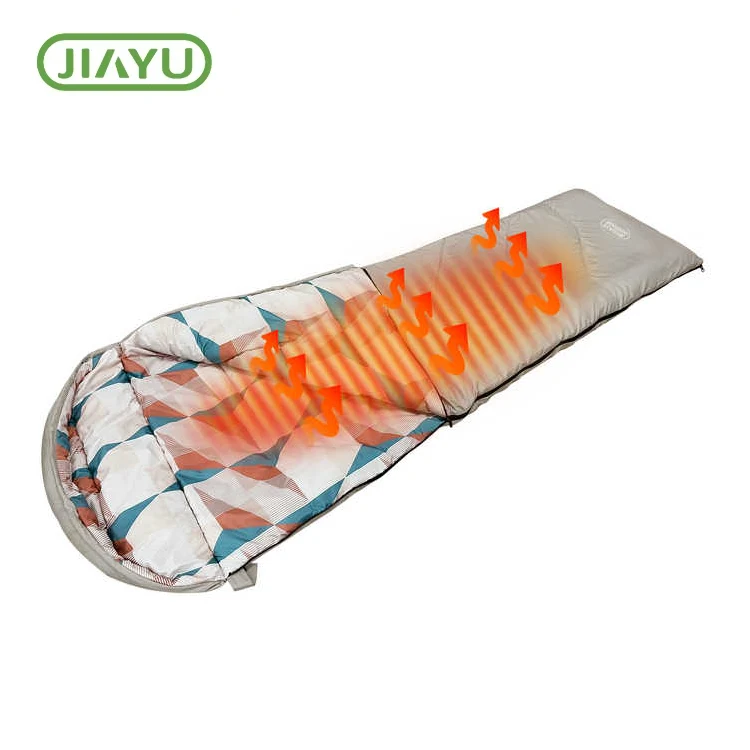
A camping sleeping bag is a temperature-rated insulated shelter designed to protect the body from night-time cold, wind chill, ground moisture, and fluctuating outdoor climates. Its performance is determined by insulation materials, fill power, fabric durability, shape, and packability.
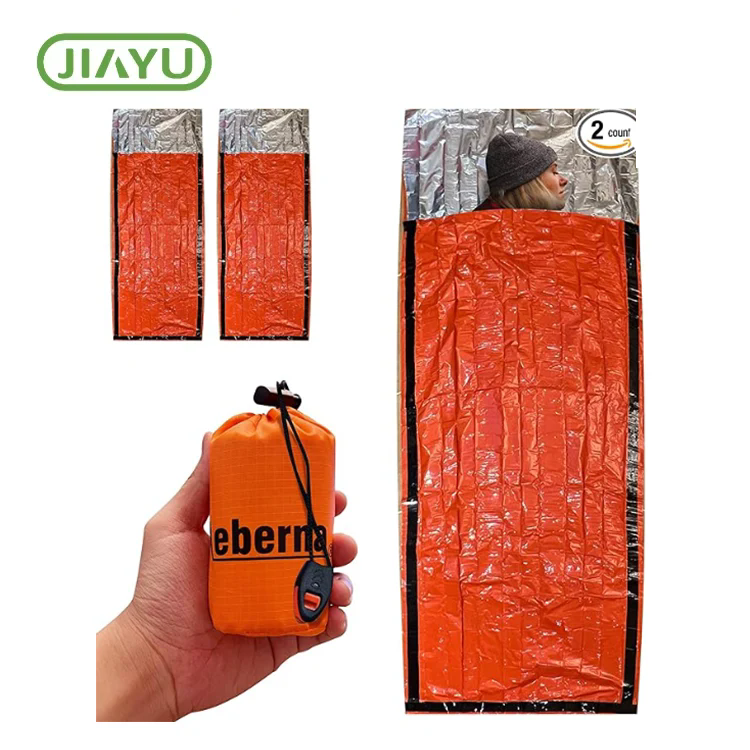
Below are detailed parameters representing a professional-grade camping sleeping bag engineered for all-season performance:
| Feature | Description |
|---|---|
| Temperature Rating | -10°C to +10°C (14°F to 50°F), suited for spring, summer, fall, and mild winter |
| Insulation Type | High-loft hollow microfiber synthetic fill; compression-resistant |
| Fabric (Outer Shell) | 210T Ripstop polyester, water-repellent, tear-resistant |
| Fabric (Inner Lining) | Soft breathable pongee or brushed polyester |
| Shape | Mummy or semi-rectangular for improved thermal retention |
| Zipper System | Anti-snag two-way zipper with draft tube & heat lock strip |
| Weight | Approx. 1.4–1.8 kg depending on size |
| Pack Size | 40×25 cm compressed, includes compression sack |
| Features | Adjustable hood, footbox ventilation, internal pocket, wind-block baffles |
| Suitable For | Camping, backpacking, hiking, RV travel, emergency kits |
These features demonstrate how a structured sleeping bag is engineered not only for insulation but also for mobility, storage efficiency, and adaptability to unpredictable outdoor conditions.
Choosing the right sleeping bag requires understanding environmental demands and biological comfort needs. The central question is: How does each technical component contribute to warmth, support, durability, and long-term use?
A sleeping bag’s temperature rating is one of the most influential factors. Standards indicate comfort limits and extreme survival thresholds. Microfiber synthetic insulation traps warm air in fine channels, resisting moisture better than natural down. It provides reliable warmth for humid forests, riverbank camping, or morning dew conditions.
Mummy-shaped designs minimize dead air space, which accelerates heat retention by reducing the volume your body must warm. Semi-rectangular bags offer slightly more room for sleepers who prefer mobility, while still maintaining heat efficiency. The hood structure and neck baffles ensure that warm air remains contained even during windy weather.
Ripstop polyester is essential for rugged environments, as its reinforced grid structure prevents travel-related abrasions or fabric tears. The water-repellent coating helps prevent moisture absorption from ground humidity, evening condensation, or unexpected light rain.
A well-designed camping sleeping bag balances insulation volume with compressibility. A 1.4–1.8 kg weight range supports backpacking and long-distance hikes without burdening the traveler, while compression straps allow efficient storage in limited gear spaces.
A two-way zipper allows controlled ventilation in warm climates, creating an adaptable system for desert nights, tropical forests, or high-altitude temperature drops. The footbox vent promotes air flow and reduces sweating, maintaining body temperature balance.
Modern outdoor culture is driven by comfort, lightweight mobility, and environmental durability. A high-performance camping sleeping bag addresses these needs through several advantages:
High-loft synthetic fill ensures consistent insulation even when damp. This makes it suitable for coastal campsites, mountain valleys, or humid forests. Breathable lining prevents overheating, allowing all-night thermal stability.
Adjustable hoods, widened shoulder zones, and structured footboxes create a natural sleeping posture. This supports relaxed muscles, reducing fatigue for next-day hiking or trekking.
Reinforced seams, wear-resistant shell fabrics, and anti-snag zippers extend the lifespan of the product, reducing replacement frequency and supporting sustainable outdoor practices.
Besides camping, high-quality sleeping bags serve in emergency kits, car travel, disaster preparedness, and military-style outdoor operations. Their adaptability broadens their usefulness across seasons and regions.
The outdoor industry is evolving toward ultra-light materials, smart temperature-adaptive textiles, and recycled synthetic fibers. Future sleeping bags may integrate thermal mapping, improved compressibility, and eco-friendly fill technologies. Climate-responsive insulation and antimicrobial linings are also emerging trends.
Understanding usage techniques ensures optimal performance and extends the product life cycle.
Shake the sleeping bag to restore loft. Allow it to expand fully for 10–15 minutes after unpacking. This revives the insulation channels and improves warmth capability.
A sleeping pad is essential to prevent conductive heat loss to the ground. Even the best sleeping bag loses warmth when placed directly on cold soil or stone terrain.
Wear breathable base layers rather than bulky clothing. Lightweight layers allow insulation to trap warm air more efficiently and prevent moisture buildup.
Use the drawstring hood during colder nights for head insulation. Close the draft tubes and inner collar to block heat leakage around the neck and shoulders.
Clean with mild detergents; avoid machine drying when possible. Store uncompressed in a large bag to prevent fill compression fatigue. Proper storage can extend lifespan by years.
A temperature rating between -10°C and +10°C is generally suitable for three-season use—spring, summer, and autumn. This range accommodates mountain breeze, lakeside moisture, high-altitude evenings, and early winter chills. Insulation efficiency, body metabolism, and ground surface all influence perceived warmth, so pairing the sleeping bag with a good sleeping pad enhances performance significantly.
Regularly air the bag after trips to release moisture. Spot clean stains using a gentle sponge and mild soap. Avoid long-term compression in the stuff sack; store it loosely in a breathable bag to preserve loft. Check zippers, seams, and straps periodically to catch early signs of wear, ensuring reliable performance across many outdoor seasons.
A high-performance camping sleeping bag is a critical component of outdoor living, providing adaptive insulation, ergonomic comfort, moisture control, and durable construction. Its technical features support travelers in forests, mountains, beaches, and unpredictable climate environments. As outdoor culture shifts toward lightweight gear, sustainable materials, and multi-functional equipment, a professionally engineered sleeping bag becomes not only an essential comfort tool but a forward-looking investment for long-term adventure.
JIAYU continues to develop camping gear based on durability, safety, and user-centric comfort, offering sleeping bags engineered for both modern travel and future outdoor trends. For product details, bulk purchasing, customization, or professional consultation, contact us to receive tailored support for your outdoor equipment needs.