A camping bag is a foundational piece of outdoor equipment designed to support organization, portability, and protection of essential gear in camping, hiking, and expedition environments. This article provides a comprehensive analysis of how a camping bag should be evaluated based on structure, material, capacity, and functional configuration. By examining real-world usage scenarios, technical parameters, and frequently asked questions, this guide aims to establish a clear decision-making framework aligned with current outdoor market expectations and future development trends.
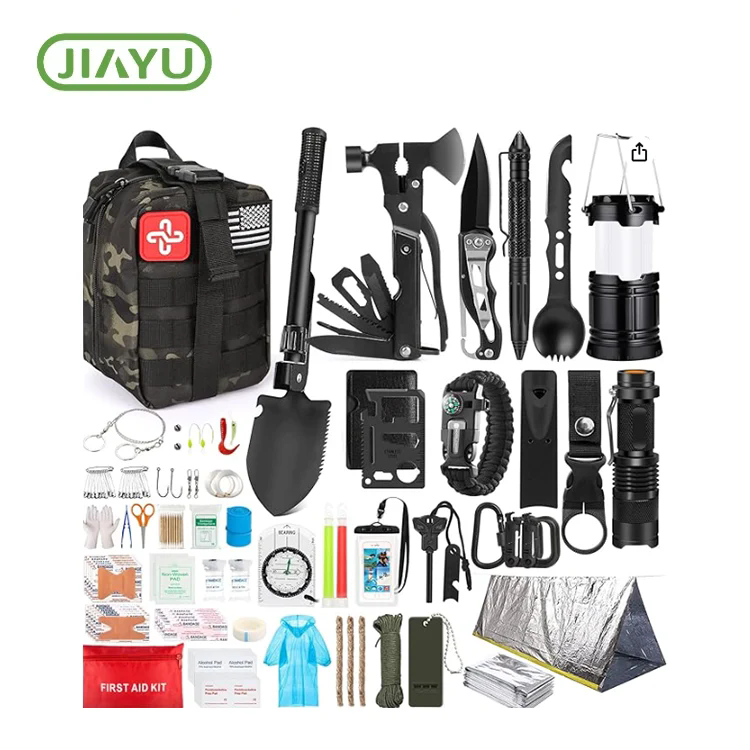
A camping bag is engineered to function as a centralized storage and transport solution for outdoor equipment, personal items, and survival necessities. The core purpose of this product category is to ensure that camping gear remains protected from environmental exposure while maintaining accessibility and balanced load distribution during movement.
The central focus of this article is to explain how a camping bag supports outdoor efficiency through optimized capacity planning, modular compartment design, and durable material selection. Rather than addressing a single use case, the analysis spans short-term leisure camping, extended wilderness expeditions, and vehicle-supported outdoor activities.
From a functional perspective, a camping bag must bridge the gap between storage volume and user mobility. Design decisions directly affect endurance, safety, and logistical performance in outdoor environments.
Evaluating a camping bag begins with an understanding of its technical parameters. These specifications define performance limits and compatibility with different outdoor scenarios.
| Parameter | Specification Range | Functional Significance |
|---|---|---|
| Capacity | 20L – 80L | Determines suitability for day trips versus multi-day expeditions |
| Material | Oxford Fabric / Polyester / Nylon | Impacts durability, water resistance, and weight |
| Water Resistance | PU Coating / Waterproof Zipper | Protects contents in rain and humid environments |
| Load-Bearing System | Reinforced Shoulder Straps + Back Padding | Reduces fatigue during long-distance carrying |
| Compartment Design | Main Compartment + Modular Pockets | Improves organization and accessibility |
Structural integrity is reinforced through double-stitched seams and stress-point reinforcement. Zipper systems are selected based on tensile strength and long-term reliability, ensuring smooth operation even under heavy load conditions.
Different outdoor scenarios impose varying requirements on a camping bag. Understanding how structure and capacity align with real-world usage is critical.
For campsite-based activities, a camping bag prioritizes accessibility and internal organization. Medium-capacity configurations allow separation of cooking tools, lighting devices, and personal items without excessive compression.
In hiking environments, weight distribution becomes a defining factor. Ergonomic back panels, adjustable chest straps, and breathable padding systems are essential to maintain endurance over extended distances.
When transportation constraints are minimal, camping bags serve as structured storage units. Reinforced bases and rectangular profiles improve stacking efficiency and equipment protection.
Q1: How should camping bag capacity be determined for multi-day trips?
A1: Capacity selection should be based on trip duration, seasonal clothing requirements, and shared equipment considerations. Multi-day trips typically require 50L or higher capacity to accommodate layered gear and food supplies.
Q2: How does material selection affect long-term outdoor performance?
A2: Material density and coating directly influence abrasion resistance and moisture protection. High-denier fabrics with PU coatings extend service life in rugged environments.
Q3: How should internal compartments be configured for efficiency?
A3: Logical separation between frequently used items and reserve equipment reduces unpacking time and prevents unnecessary exposure of sensitive gear.
The camping bag market continues to evolve alongside outdoor lifestyle adoption. Demand increasingly favors modular systems, sustainable materials, and multi-scenario compatibility. Product longevity and adaptability are becoming primary purchasing considerations.
JIAYU aligns with these expectations by focusing on structural optimization, material consistency, and user-centric configuration. Each camping bag is designed to support diverse outdoor environments while maintaining consistent performance standards.
For detailed specifications, customization options, or bulk inquiries, interested parties are encouraged to contact us directly. Professional support ensures that the selected camping bag aligns precisely with application requirements and operational expectations.