Camping hammocks have evolved from simple leisure accessories into highly engineered outdoor sleeping systems. This article examines how a camping hammock functions as a practical solution for outdoor rest, how to evaluate technical parameters, and how usage scenarios are shaping future development.
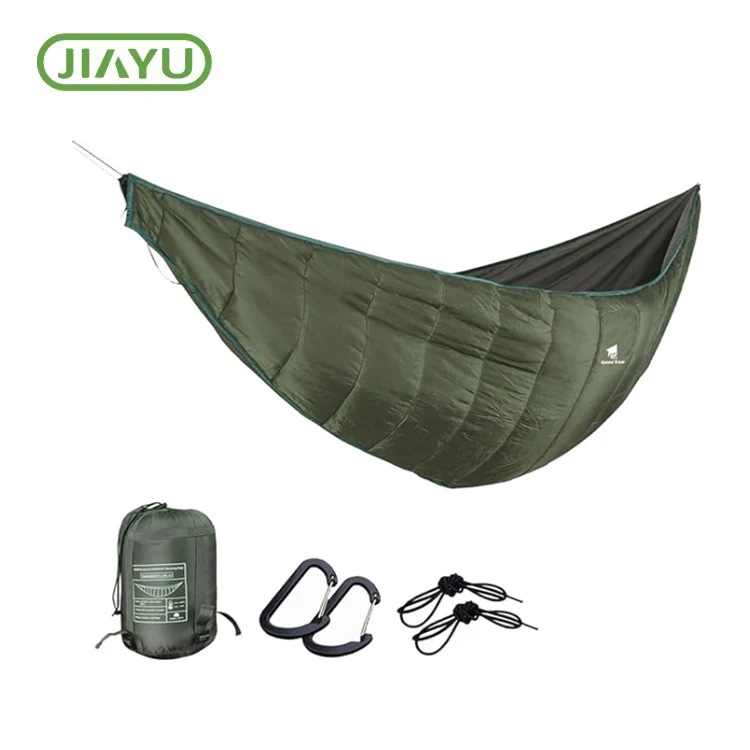
A camping hammock is designed to provide suspended rest above ground, minimizing contact with uneven terrain, moisture, insects, and temperature loss. Unlike traditional tents or ground pads, the hammock distributes body weight along a curved fabric surface, reducing pressure points while maintaining airflow. This structure makes it particularly suitable for forested environments, mountainous regions, and humid climates.
From an engineering perspective, a camping hammock operates as a tension-based load system. The suspension straps transfer vertical body weight into horizontal forces distributed across anchor points, typically trees or poles. Proper angle control—commonly around 30 degrees—ensures stability, comfort, and material longevity.
In modern outdoor recreation, camping hammocks are increasingly positioned as modular sleep platforms. When combined with rain flies, bug nets, and insulation layers, they function as a complete shelter system rather than a single-purpose product. This system-based approach aligns with the growing demand for lightweight, adaptable gear among hikers, backpackers, and overland travelers.
Selecting a camping hammock requires attention to measurable parameters that directly influence safety, comfort, and durability. Material composition, load capacity, dimensions, and suspension compatibility are critical evaluation factors. Below is a consolidated overview of professional-grade camping hammock specifications.
| Parameter | Specification Range | Technical Significance |
|---|---|---|
| Fabric Material | 70D–210T Nylon / Polyester | Balances tear resistance, weight, and breathability |
| Weight Capacity | 200–300 kg | Determines safety margin under dynamic load |
| Hammock Dimensions | 260–300 cm length / 140–180 cm width | Affects sleeping posture and diagonal lay comfort |
| Suspension System | Polyester tree straps with steel carabiners | Ensures load distribution and anchor protection |
| Packed Weight | 500–900 g | Impacts portability for backpacking use |
Evaluating these parameters together provides a holistic view of product suitability. A hammock with high load capacity but insufficient width may compromise comfort, while ultralight models may trade durability for weight savings. Balanced specification design remains the benchmark for long-term outdoor use.
Camping hammocks demonstrate versatility across a wide range of outdoor environments. In forested campsites, they eliminate the need for ground clearing and reduce ecological impact. In coastal or tropical regions, elevated sleeping helps mitigate humidity and insect exposure. In alpine or cold-weather settings, layered insulation systems transform hammocks into viable four-season solutions.
Beyond overnight camping, hammocks are increasingly adopted for rest stops during long hikes, emergency shelters during expeditions, and relaxation zones at base camps. Their rapid deployment and minimal footprint make them suitable for both planned excursions and spontaneous outdoor activities.
Q: How high should a camping hammock be hung?
A camping hammock is typically hung so that the lowest point sits approximately chair height from the ground. This allows safe entry and exit while maintaining proper suspension angle and load distribution.
Q: Can a camping hammock replace a tent?
In suitable environments, a camping hammock can function as a complete shelter when paired with a rain fly and insulation. However, open terrain without anchor points may still require traditional ground shelters.
Q: How does insulation work in a camping hammock?
Because airflow beneath the hammock increases heat loss, insulation is usually provided through underquilts or insulated pads designed to conform to the hammock’s shape, maintaining thermal efficiency.
Future development of camping hammocks is influenced by three primary trends: material innovation, modular integration, and sustainability. Advanced ripstop fabrics with higher strength-to-weight ratios are reducing pack size without compromising safety. Modular accessory ecosystems allow users to customize setups based on climate and trip duration.
Sustainability considerations are also shaping production, with recycled fibers, low-impact dyes, and extended product lifecycles becoming increasingly important. These shifts reflect broader outdoor industry movements toward responsible manufacturing and long-term value.
Within this evolving landscape, brands that emphasize technical reliability and user-centric design continue to gain recognition. JIAYU integrates material engineering, load-tested structures, and outdoor usability into its camping hammock offerings, addressing both current demands and emerging outdoor lifestyles.
For additional information on camping hammock specifications, customization options, or distribution opportunities, interested parties are encouraged to contact us to explore tailored solutions aligned with specific market needs.