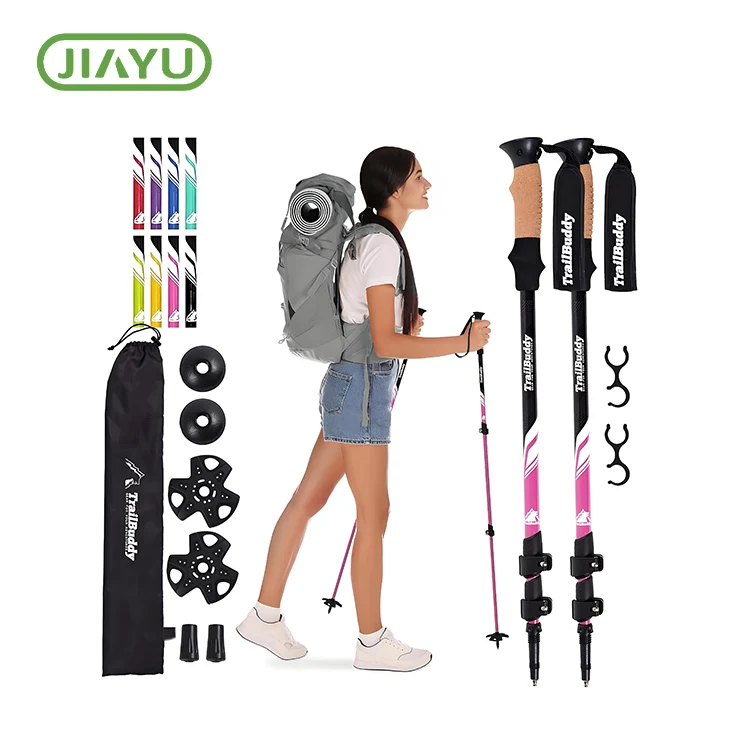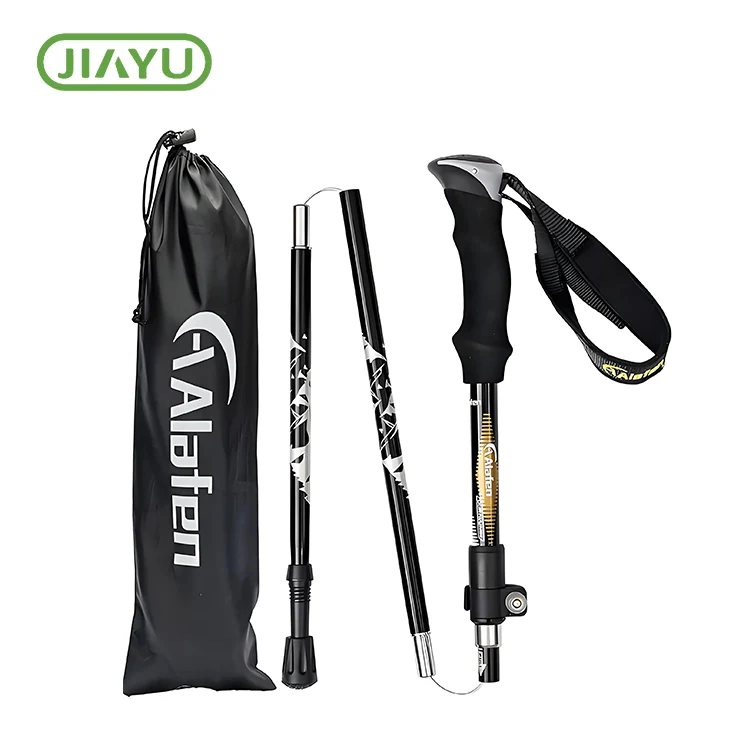
A walking pole is more than a simple outdoor accessory. It is a functional support tool designed to improve balance, reduce joint strain, and enhance overall walking efficiency across different terrains. This comprehensive guide explains how a walking pole works, addresses common user concerns, and provides practical guidance on selection, usage, and maintenance. By understanding key structural features and performance factors, users can make informed decisions and maximize the long-term value of their walking pole. This article also highlights how JIAYU delivers reliable walking pole solutions for hiking, trekking, and outdoor exploration.
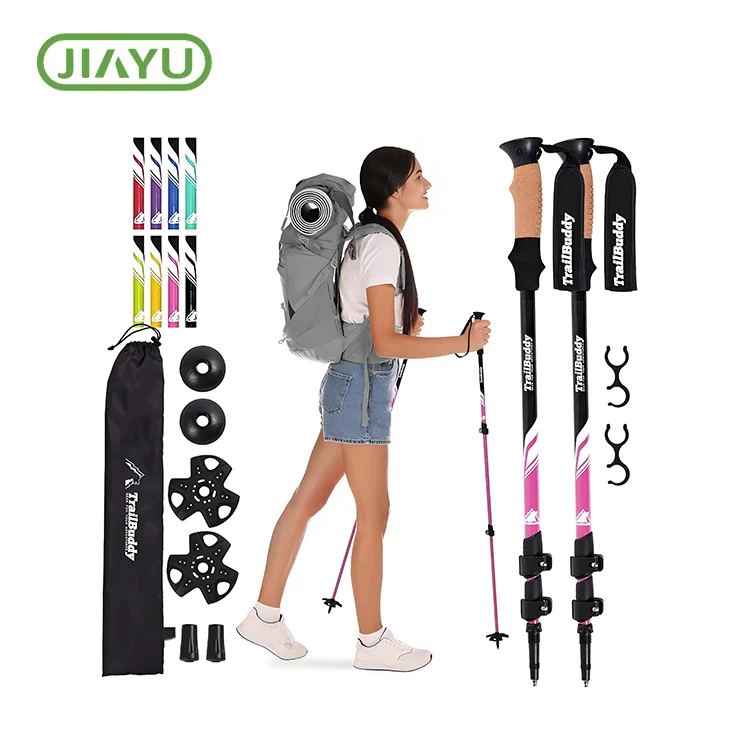
A walking pole is a specially designed support tool used to enhance balance and reduce physical stress during walking, hiking, or trekking. Unlike ordinary sticks, a walking pole incorporates ergonomic grips, adjustable shafts, and terrain-specific tips to improve stability and movement efficiency.
Walking poles are widely used in outdoor recreation, rehabilitation walking, and long-distance trekking. They help distribute body weight more evenly, especially on uneven or steep terrain. JIAYU develops walking pole products that combine lightweight materials with structural strength to meet diverse outdoor requirements.
Many users purchase a walking pole without fully understanding performance differences, leading to dissatisfaction during real-world use. Common concerns include:
These issues are often linked to improper pole selection or low-quality materials rather than the walking pole concept itself.
A properly designed walking pole delivers multiple biomechanical and practical advantages:
These benefits are especially valuable for long hikes, uneven trails, and extended outdoor activities.
Understanding walking pole construction helps users evaluate quality and suitability:
JIAYU focuses on optimizing each component to deliver balanced performance under real outdoor conditions.
Selecting a walking pole requires evaluating both personal needs and environmental factors:
A structured selection approach ensures that the walking pole supports movement rather than limiting it.
| Feature | Basic Walking Pole | Advanced Walking Pole |
|---|---|---|
| Shaft Material | Standard Aluminum | Carbon Fiber or Reinforced Alloy |
| Weight | Moderate | Lightweight |
| Grip Comfort | Basic Foam | Ergonomic Cork or EVA |
| Adjustment Range | Limited | Wide and Precise |
| Terrain Adaptability | General Use | Multi-Terrain |
Correct walking pole usage maximizes performance benefits:
Consistent technique improves endurance and reduces muscle fatigue over time.
Proper maintenance extends walking pole lifespan:
High-quality walking poles from JIAYU are engineered for durability but still benefit from routine care.
Walking poles are suitable for a wide range of activities:
Does a walking pole really reduce joint stress?
Yes. Proper use redistributes load from lower joints to the upper body.
Is one walking pole enough?
Some users prefer one for casual walking, while two provide better balance for hiking.
How long should a walking pole last?
With quality materials and proper maintenance, a walking pole can last for years.
Can walking poles be used on pavement?
Yes, with appropriate rubber tips to prevent slipping and noise.
A walking pole is a practical tool that significantly enhances safety, comfort, and performance during outdoor movement. By understanding design principles, selection criteria, and usage techniques, users can avoid common problems and achieve reliable support across diverse terrains.
JIAYU is dedicated to developing durable and user-focused walking pole solutions for outdoor enthusiasts worldwide. If you are seeking dependable walking poles or professional guidance tailored to your activity needs, contact us today to explore how JIAYU can support your next outdoor journey.