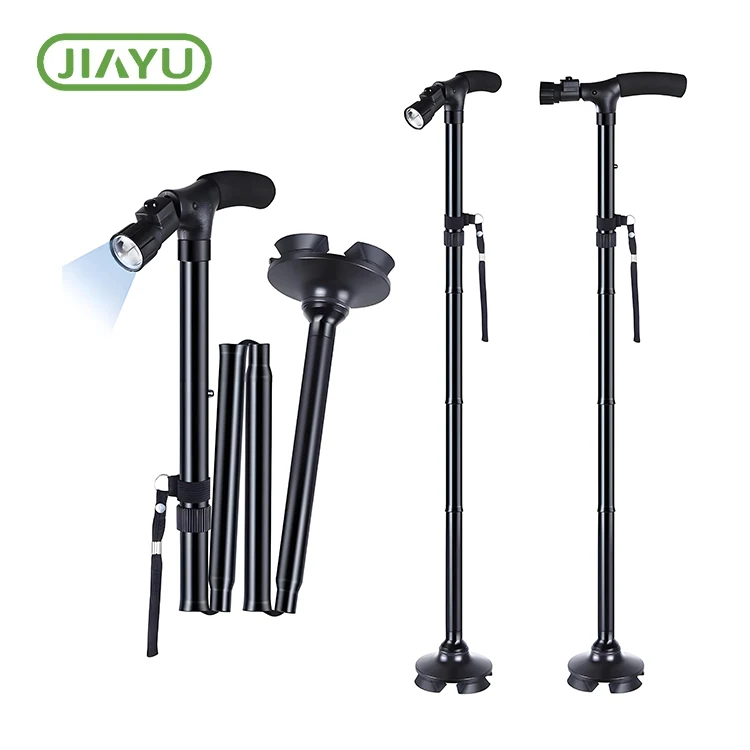
An Ultralight Hiking Cane is engineered to reduce fatigue, improve balance, and optimize energy output across long-distance trails. Built from aerospace-grade materials and designed for high-performance trekking, this tool supports hikers on steep climbs, uneven paths, river crossings, or rocky descents. As outdoor activities continue to rise globally, hikers increasingly demand trekking gear that is lighter, stronger, and more ergonomic than traditional poles.

The core purpose of this article is to analyze the performance advantages, structural features, and future industry trends surrounding the Ultralight Hiking Cane. It also provides a complete specification overview to support sourcing, product comparison, and professional purchasing decisions. Common questions from hikers are addressed in a Q&A format for clarity and practical guidance.
The performance of an Ultralight Hiking Cane depends heavily on the engineering principles behind material selection, mechanical resistance, locking systems, and ergonomic support. Ultralight gear must achieve a delicate balance: reducing mass while maintaining structural integrity strong enough to withstand repeated load cycles across varying terrain.
Below is a consolidated technical specification table summarizing key parameters often used by professionals when evaluating this category of trekking equipment:
| Specification | Description |
|---|---|
| Material Options | Aerospace-grade carbon fiber (preferred for highest strength-to-weight ratio); 7075-T6 aircraft aluminum alloy (higher impact strength) |
| Product Weight | Typically 120g – 190g per cane depending on material and section count |
| Adjustable Length Range | 95cm – 135cm with anti-slip locking system |
| Collapsed Length | 33cm – 45cm for compact storage |
| Section Structure | 2-section or 3-section telescopic design; some models include foldable cord-tension structure |
| Locking System | External quick-lock lever or internal twist-lock mechanism for micro-adjustment |
| Handle Material | EVA foam or natural cork for moisture absorption and thermal comfort |
| Strap Construction | Adjustable padded wrist strap for energy transfer and hand stability |
| Tip Material | Tungsten carbide tip for enhanced ground penetration |
| Included Accessories | Snow baskets, mud baskets, rubber caps, shock-absorbing sleeves |
| Shock Absorption | Optional anti-shock spring mechanism to reduce joint impact |
| Recommended Use Cases | Long-distance thru-hiking, ultralight backpacking, mountain trekking, trail running support |
The goal of these specifications is to facilitate professional comparison across weight, comfort, and durability benchmarks. For hikers who aim to complete high-mileage treks, even a 30g weight reduction per hand can significantly reduce energy expenditure over extended periods.
The functional value of an Ultralight Hiking Cane is determined not just by weight reduction, but by biomechanical efficiency. Several engineering factors contribute to its performance:
By redistributing body weight from the lower limbs to the upper body, the cane assists in maintaining equilibrium over unstable terrain. This reduces knee pressure and improves control when descending steep slopes or navigating loose gravel.
Studies in sports biomechanics consistently show that trekking poles reduce energy expenditure, especially during ascents. An ultralight version minimizes arm fatigue while still providing power transfer assistance.
A lightweight cane encourages upright walking posture, helping reduce lower back strain. It also stabilizes lateral movement, improving stride consistency.
On descents, the cane absorbs some of the shock that would otherwise transfer directly to the knees. Tungsten carbide tips ensure reliable traction that minimizes slippage.
Ultralight canes collapse into compact lengths suitable for backpack side pockets or ultralight trekking setups. Foldable models further optimize portability for trail runners or multi-sport users.
Accessories such as baskets and anti-slip caps enable usage on mud, snow, loose sand, scree trails, or hard pavement.
The future of ultralight trekking equipment is driven by material innovation, structural optimization, and sustainability. Several emerging trends are influencing the next generation of hiking canes:
Research in high-modulus carbon fiber layups aims to increase strength without adding mass. Nano-resin infusion technology is enhancing durability and resistance to micro-fractures caused by repeated impact cycles.
Prototype designs include pressure sensors, fall-detection alerts, and GPS-assisted modules built into the cane shaft. While not yet mainstream, these innovations are expected to reach ultralight categories within several years.
To meet both portability and rigidity requirements, hybrid constructs combining telescopic adjustability with foldable internal-cord mechanisms are becoming more common.
Sustainability initiatives are driving demand for eco-friendly grips, straps, and packaging materials made from recycled polymers or natural fibers.
Biomechanical analysis is influencing the shape and texture of EVA and cork handles to improve hand-to-pole energy transfer efficiency.
Future canes may offer interchangeable grip types, adjustable damping modules, or removable ultralight extensions to optimize performance based on activity type.
Q: How should the height of an Ultralight Hiking Cane be properly adjusted for different terrains?
A: For flat terrain, the cane height should allow the elbow to bend at roughly 90 degrees. While ascending, shortening the cane by 5–10cm allows improved torque and uphill pushing efficiency. When descending, extending the cane by 5–10cm increases stability and shock absorption. Adjustments should be made gradually to match personal comfort and real-time trail conditions.
Q: How does carbon fiber compare with aluminum in terms of durability and trail performance?
A: Carbon fiber offers the best strength-to-weight ratio, making it ideal for ultralight hikers who prioritize minimal fatigue. It absorbs vibration efficiently but may crack under extreme lateral impact. Aluminum provides superior impact resistance and bends rather than breaks, making it suitable for rugged environments. The choice largely depends on hiking style, expected terrain, and weight preferences.
Selecting a high-performance Ultralight Hiking Cane requires understanding how engineering, ergonomics, and material science contribute to trail performance. When chosen correctly, this tool enhances balance, reduces joint strain, increases walking efficiency, and significantly improves long-distance endurance. As trekking culture expands globally, the demand for lighter, stronger, and more sustainable equipment is expected to grow rapidly.
Brands committed to precision manufacturing continue leading product innovation, and Jiayu is among those delivering equipment designed to meet the rigorous standards of today’s outdoor community. For inquiries regarding specifications, customization options, wholesale supply, or product consultation, contact us to receive professional guidance tailored to your application needs.