Solar Emergency Camping Lights are designed to provide dependable illumination during outdoor activities, power outages, and emergency situations where conventional electricity is unavailable. By integrating solar charging technology, high-efficiency LED light sources, and durable structural design, these lighting solutions address the growing demand for sustainable, portable, and resilient lighting. This article examines how Solar Emergency Camping Lights function, what technical parameters define professional-grade products, how they are applied across different scenarios, and what future developments may shape their evolution. Common questions are also addressed to support informed purchasing and deployment decisions.
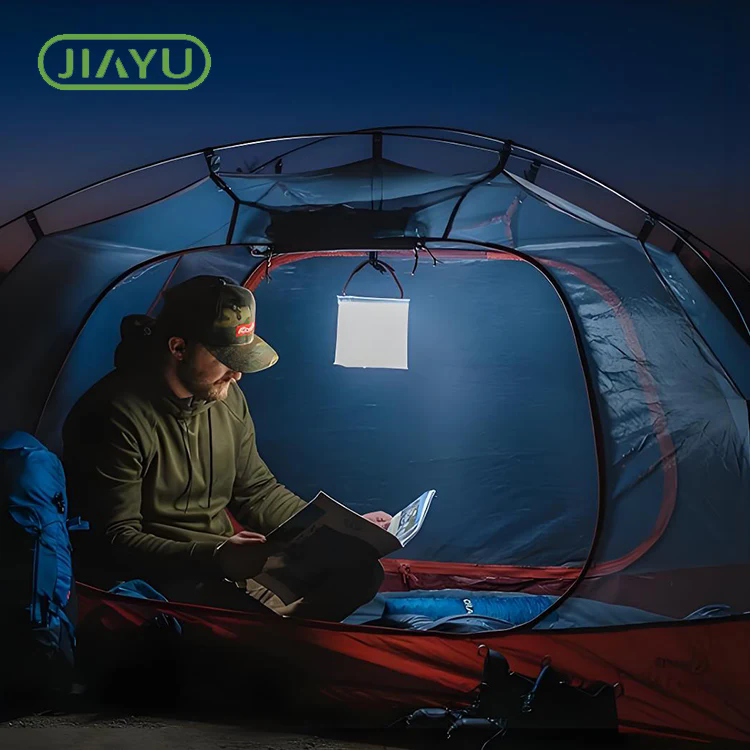
Solar Emergency Camping Lights are engineered to operate independently of grid-based electricity, making them suitable for emergency preparedness, outdoor recreation, disaster response, and remote-area deployment. The core design philosophy emphasizes energy autonomy, durability, and functional adaptability. Solar panels integrated into the housing capture sunlight and convert it into electrical energy, which is stored in internal rechargeable batteries for later use.
Unlike conventional portable lights that rely on disposable batteries, solar emergency models minimize ongoing energy costs and reduce logistical challenges during extended outdoor stays or prolonged emergencies. Structural components are typically manufactured from impact-resistant ABS or polycarbonate materials, ensuring stability under harsh environmental conditions such as rain, dust, and temperature fluctuations.
Lighting modes are another critical design element. Multiple illumination settings—ranging from low-brightness energy-saving modes to high-lumen emergency output—allow users to adapt light usage based on situational needs. Some configurations also include flashing or SOS modes, which can assist in signaling during rescue operations or low-visibility environments.
Professional evaluation of Solar Emergency Camping Lights relies heavily on measurable technical parameters. These specifications determine not only brightness and runtime but also long-term reliability and safety. Below is a consolidated overview of key parameters commonly used in industry assessments.
| Parameter | Specification Range | Functional Relevance |
|---|---|---|
| Solar Panel Power | 1W – 5W | Determines charging efficiency under sunlight |
| Battery Capacity | 1200mAh – 8000mAh | Controls operating duration after full charge |
| Light Output | 100 – 800 lumens | Defines brightness suitable for different environments |
| Charging Time | 6 – 12 hours (solar) | Impacts readiness in off-grid conditions |
| Water Resistance | IPX4 – IPX6 | Ensures operation in rain or humid environments |
These parameters collectively influence performance stability. For example, a higher-capacity battery combined with efficient LED chips can provide extended illumination during overnight camping or prolonged blackouts. Meanwhile, water resistance ratings support use in unpredictable weather conditions commonly encountered during outdoor activities.
How long can a solar emergency camping light operate after a full charge?
Operating duration depends on battery capacity and selected brightness mode. In low-output modes, many units can function continuously for 20 to 40 hours, while high-brightness settings typically support 6 to 10 hours of illumination.
How effective is solar charging in cloudy or low-light environments?
Solar panels can still generate power under indirect sunlight, though charging efficiency is reduced. For consistent readiness, extended exposure to daylight or supplementary USB charging options are commonly recommended.
How durable are solar emergency camping lights for long-term outdoor use?
Most professionally manufactured models are designed with reinforced housings and sealed components. When properly maintained, they can withstand repeated outdoor exposure, vibration, and moderate impact without significant performance degradation.
Application versatility is a defining advantage of Solar Emergency Camping Lights. In outdoor recreation, they serve as primary lighting sources for tents, campsites, and hiking rest areas. Their lightweight and portable construction allows easy transport without adding significant load to backpacks or emergency kits.
In residential emergency preparedness, these lights function as backup illumination during power outages caused by storms, grid failures, or natural disasters. Because they do not rely on fuel or external power infrastructure, they can be deployed immediately without setup complexity.
Humanitarian and disaster-relief operations also benefit from solar emergency lighting solutions. Temporary shelters, medical stations, and supply distribution points often require rapid lighting deployment in areas with limited infrastructure. Solar-powered units reduce reliance on generators and fuel logistics while supporting safer nighttime operations.
The future development of Solar Emergency Camping Lights is closely aligned with advancements in photovoltaic efficiency, battery technology, and smart energy management. Improvements in solar cell materials are expected to increase energy conversion rates, allowing faster charging even under suboptimal light conditions.
Battery innovation, particularly in lithium-based chemistries, will likely extend lifecycle durability and reduce degradation over repeated charge cycles. This supports longer product lifespans and improved sustainability metrics.
Integration with intelligent control systems may further enhance usability. Features such as automatic brightness adjustment, energy consumption monitoring, and modular charging interfaces are increasingly relevant as users demand greater reliability and operational transparency from emergency equipment.
As the global demand for reliable off-grid lighting continues to grow, manufacturers such as Ningbo Jiayu focus on aligning product development with international quality standards and real-world application requirements. Emphasis is placed on balancing performance consistency, material durability, and scalable manufacturing to meet diverse market needs.
Organizations sourcing Solar Emergency Camping Lights for commercial distribution, emergency planning, or outdoor equipment portfolios benefit from working with suppliers that maintain structured quality control and engineering-driven product validation.
For detailed product specifications, customization options, or bulk procurement discussions related to Solar Emergency Camping Lights, inquiries are welcomed. Engaging directly allows alignment between technical requirements and practical application goals. Contact Ningbo Jiayu to explore suitable solutions and establish long-term cooperation opportunities.